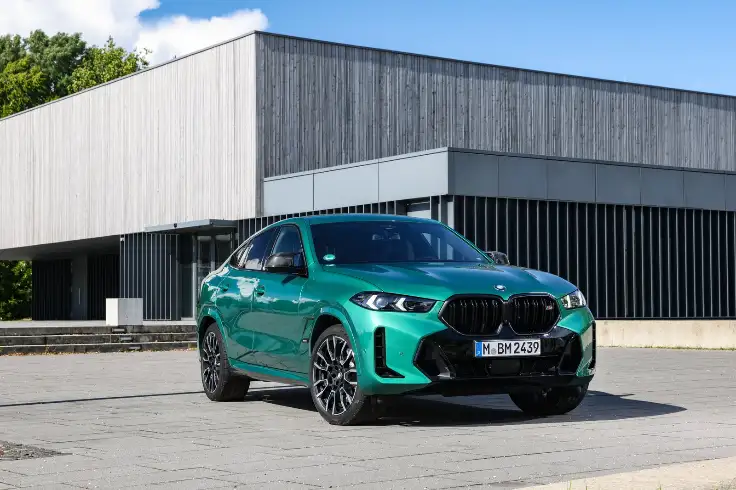
Cyprus is considered one of the most convenient places in Europe for owning an electric vehicle. The short distances between cities, mild climate, and developing network of charging stations make electric cars a practical choice for daily trips. However, before purchasing, it is important to consider several nuances. These often determine whether the operation of the vehicle will be simple and comfortable or will require constant compromises.
Road Tax: One of the Main Advantages of EVs
Fully electric vehicles in Cyprus are exempt from annual road tax.
For owners of internal combustion engine vehicles, this payment remains mandatory and depends on the age of the vehicle and the level of CO₂ emissions. In some cases, the amount can reach several hundred euros per year.
For electric vehicles, this expense is completely absent, making their operation noticeably cheaper in the long run.
What is Happening with the Subsidy Program?
In recent years, the government of Cyprus has launched several programs to support the purchase of electric vehicles.
Subsidies were opened in separate phases with a limited budget and applied to both new and some used vehicles.
At the time of publication, there is no open round of the program, so it is worth checking the current information on the Ministry of Transport's website before purchasing.
Nevertheless, previous phases have shown the direction of government policy: Cyprus continues to encourage the transition to electric transport and the development of the corresponding infrastructure.
New or Used Electric Car?
For many buyers, this is where the most serious overpayment begins.
Like most modern technologies, electric vehicles lose value faster in the first years of operation. Two to three years after purchase, the price of many models can drop significantly, despite low mileage and good battery condition.
Therefore, more and more buyers are considering vehicles aged one to three years. In this case, the main loss of value has already occurred due to the first owner, while the car remains modern and fully suitable for daily use.
Cars from the UK and other European markets often become particularly interesting options, where the choice of electric vehicles is significantly wider than in Cyprus.
How Developed is the Charging Network?
In recent years, the situation with charging infrastructure on the island has improved significantly.
Public charging stations are available in all major cities of Cyprus:
- Nicosia;
- Limassol;
- Larnaca;
- Paphos;
- Ayia Napa and Protaras.
Additionally, chargers are installed near shopping centers, hotels, hospitals, office buildings, and gas stations.
For most owners, this is already enough for comfortable daily operation of the vehicle.
The Most Important Question When Buying an EV
When choosing an electric vehicle, many pay attention to the brand, range, or price. However, in practice, it is much more important to check for which market the vehicle was originally produced.
Cyprus uses the same charging standards as the other EU countries:
- Type 2 for regular AC charging;
- CCS2 for fast DC charging.
Almost all modern European electric vehicles are fully compatible with this infrastructure.
The situation is different with Japanese cars.
Many popular models, including the Nissan Leaf and several other electric vehicles from the Japanese market, use Type 1 and CHAdeMO connectors.
Although such chargers are still found in Cyprus, most new stations are already being installed with CCS2 support. Therefore, owners of Japanese electric vehicles may face limitations when choosing charging stations.
This is precisely why many experts recommend choosing vehicles of European specification. They ensure full compatibility with the charging infrastructure of Cyprus and all of Europe without the need to use additional adapters or search for specific stations.