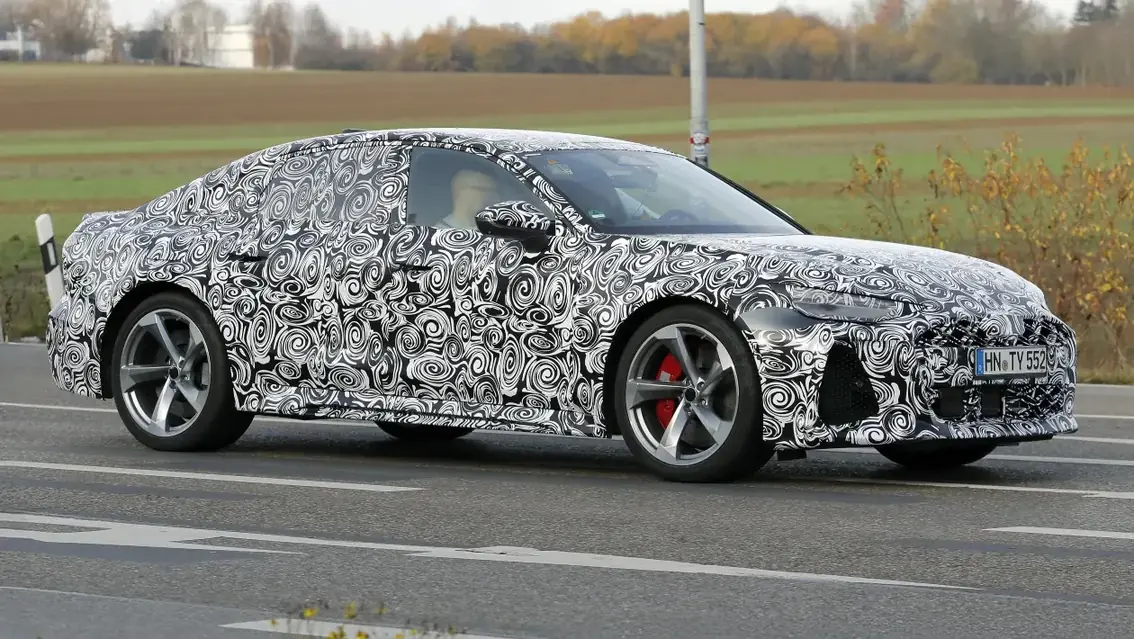
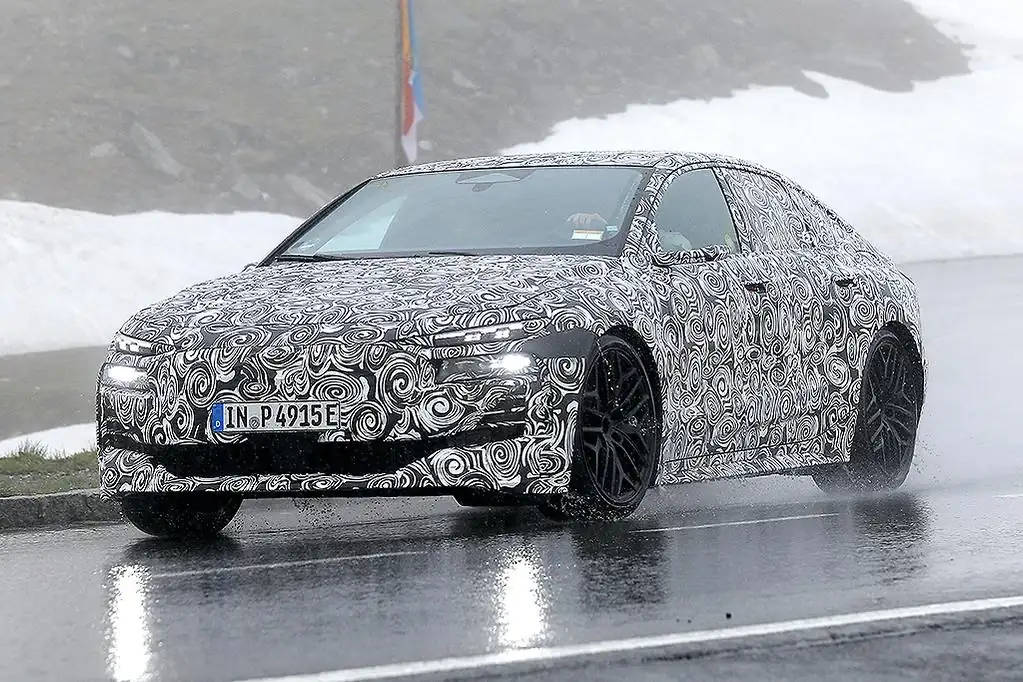
Audi RS6 in Cyprus
In 2008 the RS6 carried a twin-turbo V10 — an engine from the same family as the one in the Lamborghini Gallardo — and 580 hp in an estate body was not treated as sensible at the time. That V10 generation ran for only three years and is now looked for on its own terms, rather than as the car before the current one. The engine today is a twin-turbo V8 of 600 or 630 hp, but the thought behind it has not moved: the speed here never had to be paid for with the boot or the back seat. In Cyprus this is the one car that does the school run in the morning and outruns sports cars at the weekend, with the boot still full.
Which versions are worth importing
There is one body, the Avant, and the choice comes down to the year and to the Performance step above the standard car. Ceramic brakes, the dynamic packages and the panoramic roof move the resale figure noticeably, and they are the first things worth confirming. Tyre and brake consumption is budgeted in advance: at this width and this power they are eaten by temperament rather than by mileage.
There is one body and the decisions are all in the options. The dynamic package raises the limiter and brings the sports differential; ceramic brakes save weight and cost a great deal to replace; the sports exhaust is the difference between a fast estate and the car people buy an RS6 to have. Twenty-two inch wheels are common on used cars and they are a running cost rather than a feature on Cypriot roads.
Buying a used Audi RS6: what matters
On an RS car the history of use outweighs the odometer, so we read oil intervals, brake and tyre records and any driveline work before anything else. Ceramic brakes and the dynamic packages move the resale figure, and we confirm them against the chassis number.
If ceramic discs are fitted we ask for measured thickness before anything else, because a set costs what a small car does and wear is not visible in photographs. The service history is read for suspension work and for how the car was driven, and track entries are priced rather than treated as a disqualification. The factory option list comes by chassis number as a printout, since it is most of the price difference on this model.
Common mistakes when buying one
The first is buying on mileage when driving style is what consumed the car. The second is treating ceramic brakes as a bonus without pricing their replacement. The third is skipping the driveline records on a car this heavy and this fast. The fourth is reading the listing price as the cost: the tax ceiling and a set of tyres on an RS6 land in the first months, not the third year.
Where we source from and why
Britain supplies the RS6 in right-hand drive at real depth with traceable dealer records; Japan surfaces exceptional examples graded by the auction sheet. We watch both and buy the car, not the country.
An RS6 on the local market is an event, not an option. Britain sells it in volume, Japan keeps it exceptionally, and between the two the right car with the right history exists at any given moment.
Price and what ownership costs
The running cost lives in brakes and tyres: ceramics where fitted, and rubber this wide, are consumed by enthusiasm rather than by mileage. Their records tell the truth about the car when the odometer will not, and on an RS6 that truth is the difference between a sound purchase and a project.
An RS6 in stock carries its price openly. Commissioned, the sum is one and landed — car, shipping, duty and VAT where applicable, registration, our work — settled in writing first.
How a commission works
Everything is checked before your shortlist, not after the deposit. One agreement then carries the purchase, the shipping, customs, registration and plates, with nothing added along the way.
Describe the RS6 you are after — specification first, budget second — and the search starts from your list. Other models are gathered on the Audi page, together with the cars in stock in Cyprus. The route is chosen per car: Britain, Japan or Australia.