Cyprus has offered government incentives for electric vehicles since 2019. Six years on, electric cars remain a small fraction of what is registered here — while hybrids have grown at a rate nobody planned for.
That gap is the useful part of the data, and it says something specific about how the island actually works.
The registration figures, 2019 to 2024
- 2019 — 37,802 passenger cars registered; 54 electric, 1,884 hybrid
- 2020 — 30,828 registered; 78 electric, 2,338 hybrid
- 2021 — 26,634 registered; 120 electric, 4,513 hybrid
- 2022 — 26,598 registered; 512 electric, 6,103 hybrid
- 2023 — 36,608 registered; 995 electric, 10,819 hybrid
- 2024 — 1,529 electric and 14,246 hybrid on the road
Electric registrations grew roughly twenty-eight-fold. That sounds dramatic until you set it against the base: from 54 cars to under a thousand a year, in a market registering more than 30,000.
Hybrids are the real movement. From 1,884 to 10,819 annual registrations — from a niche to a meaningful share of everything sold. The reason is practical rather than ideological, and it comes down to one question that decides the choice between hybrid, plug-in and electric: whether you can charge at home.
Why the island chose hybrids
One car has to do everything here. A household in Limassol or Paphos typically runs a single vehicle for the commute, the school run, the airport transfer and the weekend drive to Troodos. A hybrid removes the question an EV forces you to answer before you buy: where will I charge, and what happens if I can't.
Most people have no off-street parking. Apartment living dominates in the coastal cities, and a driveway with a wall box is the exception rather than the default. Without home charging, the daily convenience case for an EV weakens considerably.
The import supply is hybrid-heavy. A large share of cars entering Cyprus arrive used from the UK and Japan, and those markets have a decade of Toyota, Lexus and Honda hybrids with documented reliability records. The supply exists, the pricing is established, and the risk is understood.
Congestion favours them mechanically. European Commission data puts Cyprus drivers at 40.2 hours lost to peak-hour traffic a year, against an EU average of 28.6. A petrol engine idling in a queue burns fuel and moves nothing. A hybrid crawls on the electric motor — which is exactly where its advantage is largest.
What this means if you are choosing now
Check the road tax figure before the purchase price. Cyprus calculates road tax on CO₂ emissions, not engine size or value. A full hybrid usually lands in a low band; a plug-in hybrid often lands in a very low one, because its official figure reflects the electric portion of the test cycle. Over a typical ownership period that annual difference outweighs a lot of what happens at purchase. Put your shortlist through the road tax calculator.
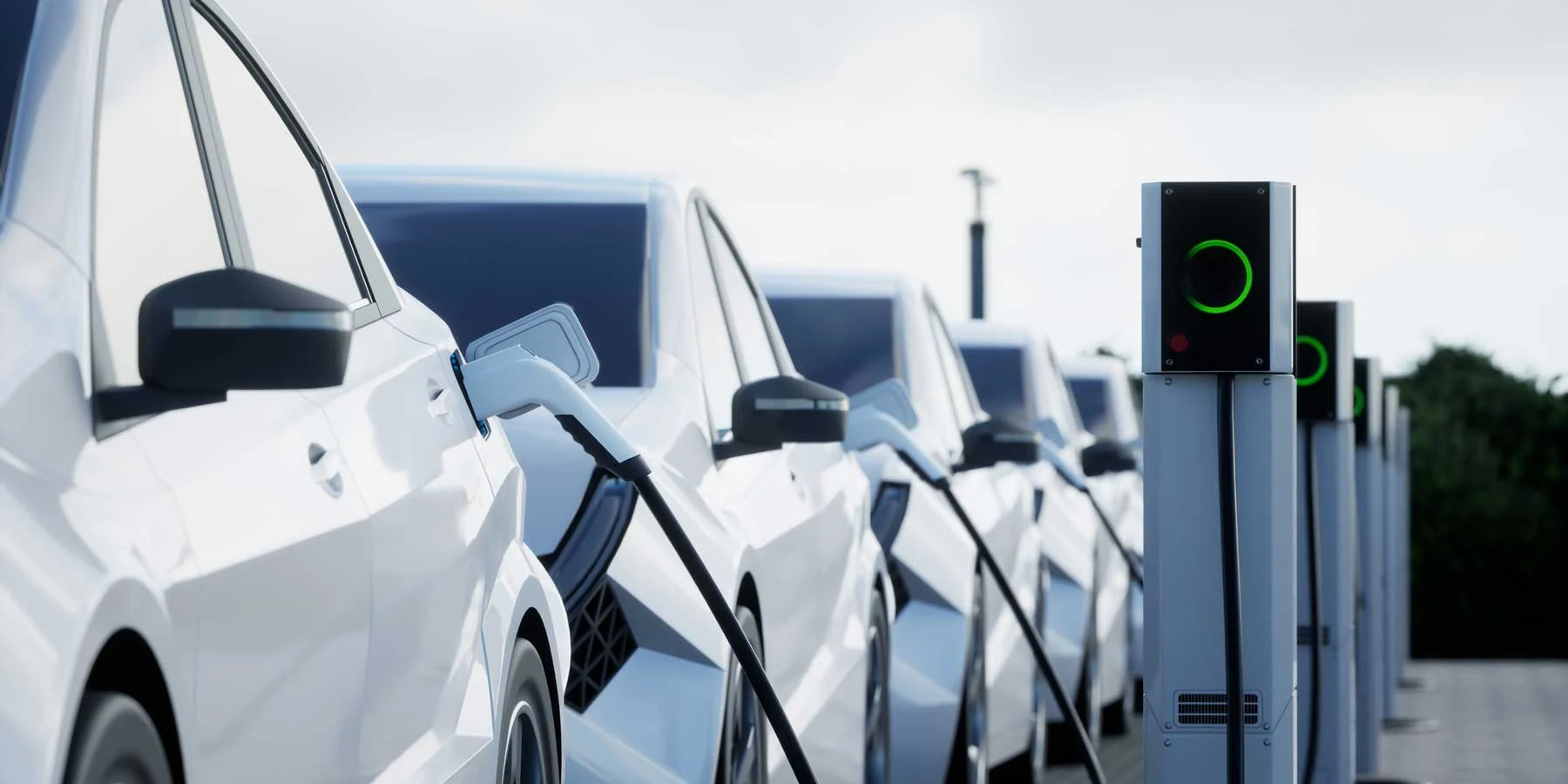
The charging objection is weaker than it was. Under EU rules Cyprus was required to install 608 kW of public charging capacity. It has installed 15,472 kW — twenty-five times the target. That does not answer where the chargers are or how fast each one is, but the blanket claim that the island lacks capacity no longer holds.
A plug-in hybrid may be the honest middle. Short distances, heavy congestion, low CO₂ on paper, and no dependence on public charging. On the evidence of six years of registrations, that combination is what buyers here keep choosing.
See what is available now — hybrids, plug-in hybrids and fully electric — in our catalogue of cars in Cyprus.