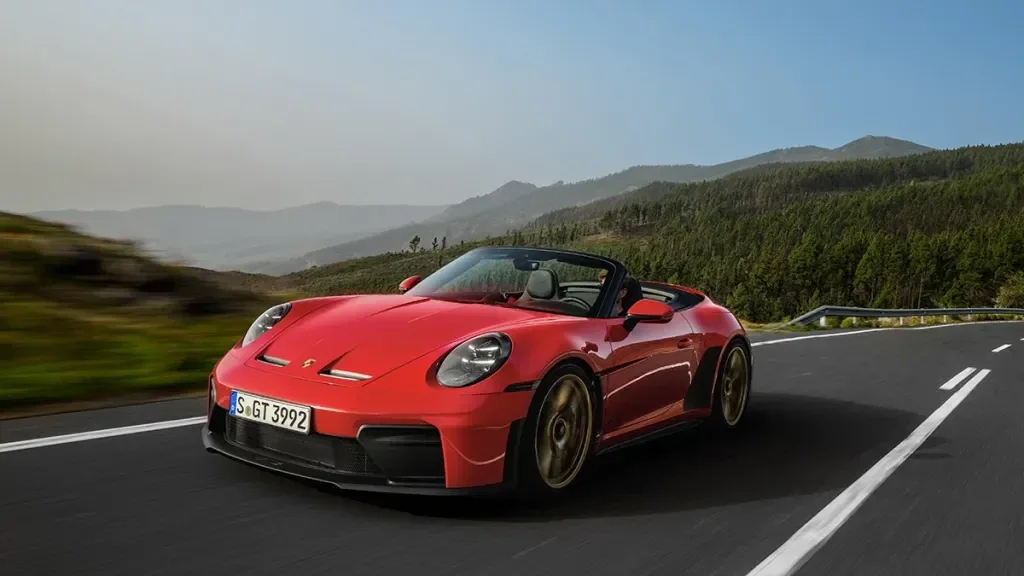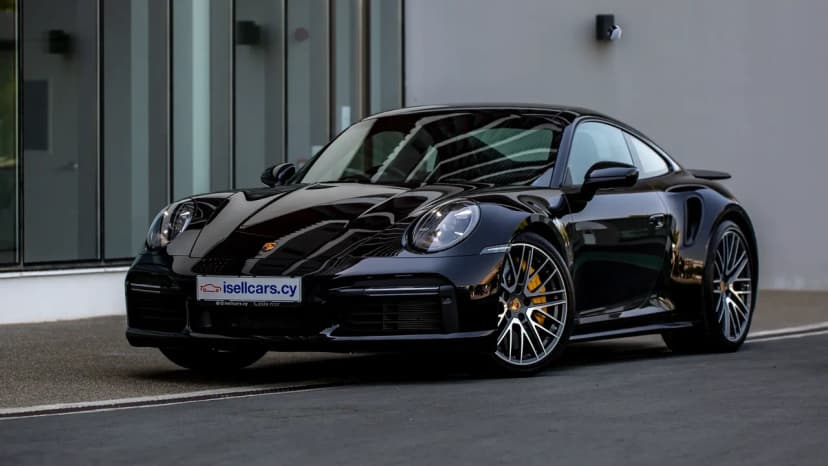
Porsche 911 in Cyprus
The 911 is bought here as an asset as much as a car: a well-specified example stays in demand for years, and the island's short distances keep mileages low. From Carrera to GT3, the span within one model name is enormous — and so is the span in money.
Which versions are worth importing
The line runs from Carrera and Carrera S through GTS and Targa to GT3 and Turbo, coupe or cabriolet. The daily cars and the GT cars are different purchases with different checks — and the price gap inside one model year says as much.
For island use the choice narrows quickly. PDK suits Limassol traffic better than the manual, which is bought for what it is rather than for convenience. Rear-wheel drive is the lighter, purer car; the 4 and 4S buy stability nobody needs on dry Cyprus roads. Sports exhaust, adaptive suspension and the sports seats are the options worth holding out for, because retrofitting them later costs more than waiting.
Buying a used Porsche 911: what matters
What sets the price is the build sheet and the documented history, not the odometer. We pull the factory specification by chassis number, attach the printout to the report, and go through ownership, accident and mileage records with the document behind each line. On GT cars we establish track history from the records before you commit.
On a car under five years old the engine is rarely the question — the paperwork is. We establish whether the car has seen track days, whether the paint is original or has been protected with film from new, and how the ceramic discs measure if they are fitted, since they are replaced by wear rather than by mileage. Where the manufacturer's approved-used cover still runs, we confirm in writing what transfers with the car.
Common mistakes when buying one
The first is chasing a low price on a sparsely specified car: a base 911 loses value faster and sells slower. The second is treating ceramic brakes as an automatic advantage — in town they are more often a cost. The third is ignoring track history on the GT cars; a track past is not a disqualifier, but you need to know before you commit. The fourth is treating the advert price as the number that matters, when duty, shipping and the tax ceiling decide what a 911 actually costs to own here.
Where we source from and why
The UK and Japan together give enough right-hand-drive 911s to choose a specification rather than settle. Britain offers volume and traceable dealer history; Japan offers condition the European market rarely matches, with the auction sheet as an independent assessment. We watch both and choose the car, not the country.
A 911 on the local market is rare enough that the price carries scarcity in it. The UK and Japan hold hundreds of right-hand-drive cars at any moment, which returns the choice — and the negotiating position — to the buyer.
Price and what ownership costs
Ownership costs on a 911 are not where the money is decided — the specification is. Steel brakes live town life better than ceramics and cost a fraction to replace; tyres go by driving style rather than by year. What genuinely moves the figure is the resale side: a well-built car of the same age and mileage sells for more and sells faster, and it does so every time.
If the 911 you want is already in Cyprus, its price is in the listing. If it is not, the commission gives you a single landed figure, agreed in writing with the payment terms before the search turns into a purchase.
How a commission works
The build sheet and the history are checked before your shortlist. A single agreement then carries the purchase, the shipping, customs, registration and plates, and the figure does not move afterwards.
Describe the 911 you are after — specification first, budget second — and the search starts from your list. Other models are gathered on the Porsche page, together with the cars in stock in Cyprus. The route is chosen per car: Britain, Japan or Australia.