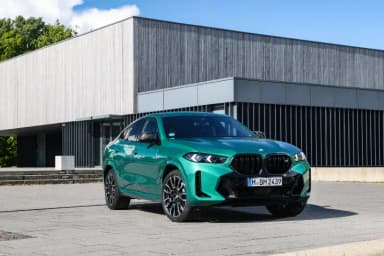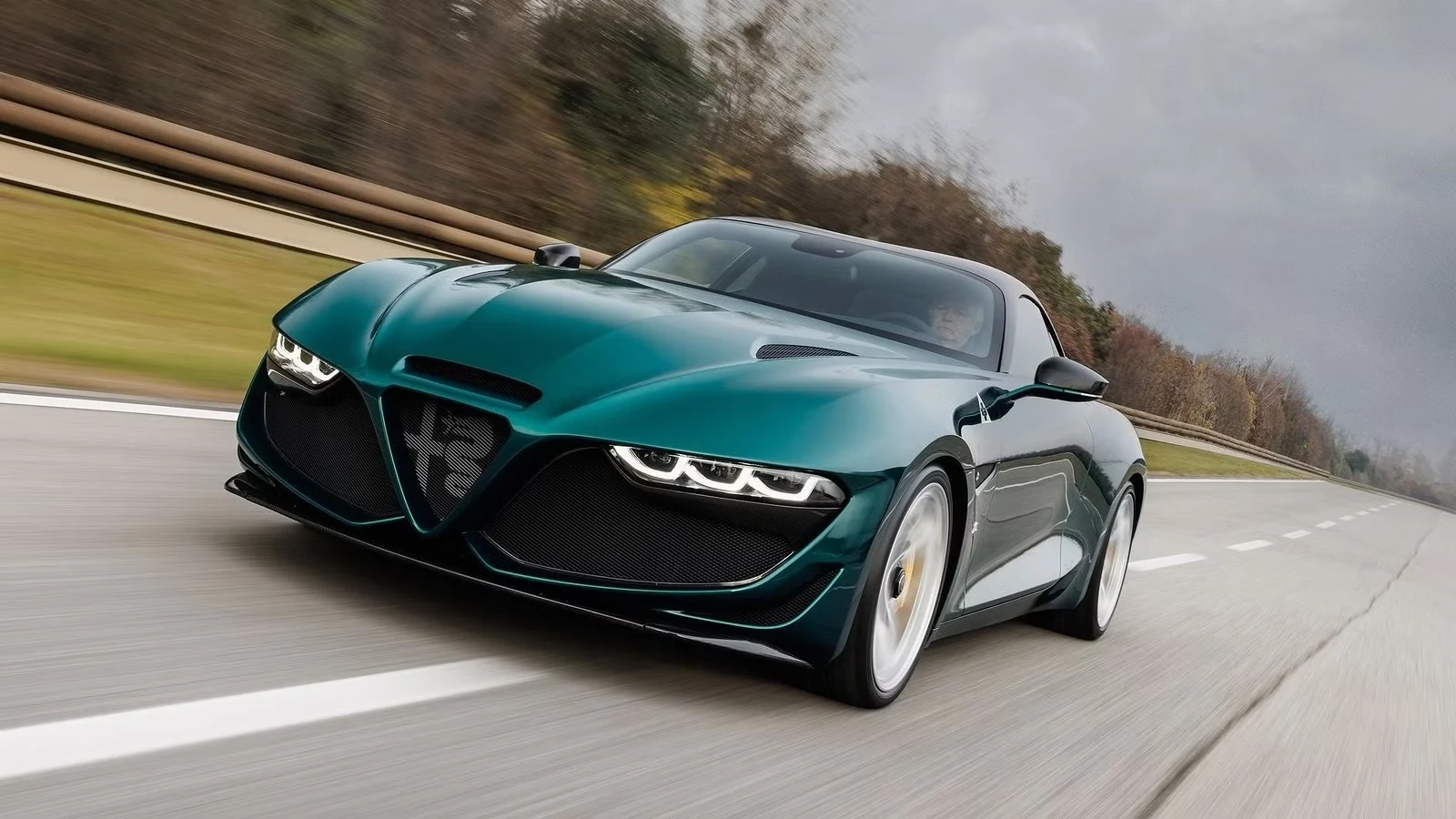
Depreciation is the largest single cost of owning a premium car, and it is the one almost nobody budgets for. Fuel, insurance, servicing and road tax all arrive as bills you can see. Depreciation arrives once, silently, on the day you sell.
Negotiating €3,000 off the purchase price feels like a win. Choosing a car that holds ten percentage points more of its value over five years is worth several times that, and it costs nothing at all.
The spread inside the premium segment is enormous
The instinct is to think premium cars depreciate at roughly one rate and mainstream cars at another. The data says otherwise.
iSeeCars analysed roughly 950,000 transactions of five-year-old cars in the US market for its 2026 study. The average across all vehicles was 41.8% lost over five years. Within that average, the range runs from under 10% at one end to over 65% at the other — and both ends contain premium cars.
That is the number that matters. On a €90,000 car, the difference between losing 30% and losing 60% over five years is €27,000. No discount at the point of purchase comes close.
These figures are American, and the Cypriot market is smaller, right-hand drive and supplied differently. The absolute percentages will not transfer. The direction does, and the factors behind them apply here with a few local additions that matter more than people expect.
Segment does more work than the badge
Body style and size predict residual value better than the manufacturer does.
In the same study, small SUVs lost an average of 38% over five years, midsize SUVs 42.9%, and large SUVs 51.9%. The pattern is consistent: as cars get bigger and thirstier, the used market thins out beneath them. The buyer who could afford it new is buying new again; the buyer shopping used is more price-sensitive about fuel and tax.
Sports cars run the other way. Porsche's 718 Cayman and 911 have topped retained-value rankings for years, the Cayman losing under 10% over five years in the 2026 data. That is not badge loyalty — it is a car built in limited numbers against demand that never softens.
Within a single marque the spread can be wider than between marques. A Porsche 911 and a large German executive saloon carry the same badge prestige and land at opposite ends of the table.
Powertrain is now the sharpest divide
This is the factor that has moved most in two years, and it is the one that matters most in Cyprus.
In the 2026 data, electric cars lost 57.2% over five years while hybrids lost 35.4%. That is a 22-point gap, and on a premium car it is the difference between a manageable loss and a painful one. Battery technology moves, manufacturers cut prices on new models, and the used buyer knows it.
Cyprus sharpens the effect from both directions. Hybrids are 51.9% of used saloon registrations here against 4.6% for electric, so the demand pool for a used hybrid is more than ten times deeper. And annual road tax is calculated on CO2, so a car with a low official figure costs its next owner less every year — which they price in. Check where any car sits in the road tax calculator: the annual figure is part of what the next buyer is buying.
The five-year rule quietly supports island values
Here is a Cyprus-specific factor that does not exist in the international data, and it works in the seller's favour.
A vehicle being imported for registration in Cyprus must generally be less than five years old on arrival. Older cars are not eligible for ordinary registration unless the owner is transferring normal residence.
Follow that through. Once a car on the island passes its fifth birthday, nobody can import a direct replacement for it. The supply of six- and seven-year-old premium cars in Cyprus is fixed at whatever is already here, and it only shrinks. A buyer who wants that car has to buy one already registered locally.
That is a structural support under used values past year five that most European markets do not have, and it is the single strongest argument for buying a premium car that is already here rather than assuming you can always import another.
Servicing depth decides how fast it sells
A marque with a proper dealer network on the island behaves differently in the used market from one where every part is flown in.
The next buyer is not only pricing the car. They are pricing the annoyance of owning it: how long a service booking takes, whether a body panel arrives in three days or three weeks, whether an independent workshop will touch it. Cars that are straightforward to maintain here sell faster and hold more, and the effect compounds as the car ages out of warranty.
This is where an otherwise desirable model can disappoint. Strong demand and thin local support pull in opposite directions, and on a small island support usually wins.
Specification and colour in a market of a million people
In Germany an unusual specification finds its buyer eventually, because the pool is enormous. Cyprus has roughly a million residents and premium badges account for about 22% of used saloon registrations. The pool is healthy in proportion but small in absolute numbers.
The practical consequences are blunt. Restrained colours sell; bold ones wait. A sensible engine in a popular trim sells; a rare configuration that looked exciting in the configurator can sit for months. Right-hand drive is the local standard, and a left-hand-drive car — legal to register, but unusual here — sells into a fraction of the market.
The rule of thumb: on a small island, buy the version other people want, not the version that makes you feel clever.
Where you enter the curve
The steepest part of depreciation happens in the first two or three years, and it happens to somebody else if you buy a used car.
A three-year-old premium car has already absorbed the worst of it, is still inside or near its manufacturer warranty, and on the Cyprus five-year rule it can still be imported. Buy at three and sell at six and you are selling into a market where nobody can import a replacement.
That is the shape of the sensible purchase here, and it is why the cars we commission cluster in that window rather than at either extreme.
Does depreciation matter to you at all?
Honestly, sometimes not.
If you are buying the car you have wanted for twenty years and intend to keep it for the next ten, residual value is close to irrelevant. Buy the one you want. If you change cars every three or four years, depreciation deserves more attention than fuel economy, insurance and servicing combined, because it is larger than all three together.
We commission cars to specification from the UK, Japan and Australia, and part of that is telling you when a configuration will be hard to sell here. Tell us what you are looking for, or see what is on the island now. For the models themselves, our premium SUV guide and hybrid guide go through them in detail.
Sources: five-year depreciation figures — iSeeCars 2026 study of approximately 950,000 five-year-old vehicle transactions, US market; percentages are directional for Cyprus rather than local values. Registration shares — CyStat, used saloon registrations, January–July 2026. Road tax bands — Road Transport Department. Five-year import age limit — Road Transport Department registration criteria as published by licensed clearing agents.