



EV and hybrid guides
Electric and hybrid cars in Cyprus: charging, tax, ownership costs and model choices.
Guides

Electric and hybrid vehicles make more sense in Cyprus than their price tags suggest. Mostly that is down to tax. A fully electric vehicle pays no road tax at all. A hybrid at around 90 g/km pays about €45 a year, against roughly €500 for an SUV at 200 g/km. Over five years that gap is real money. It is also known before you buy.
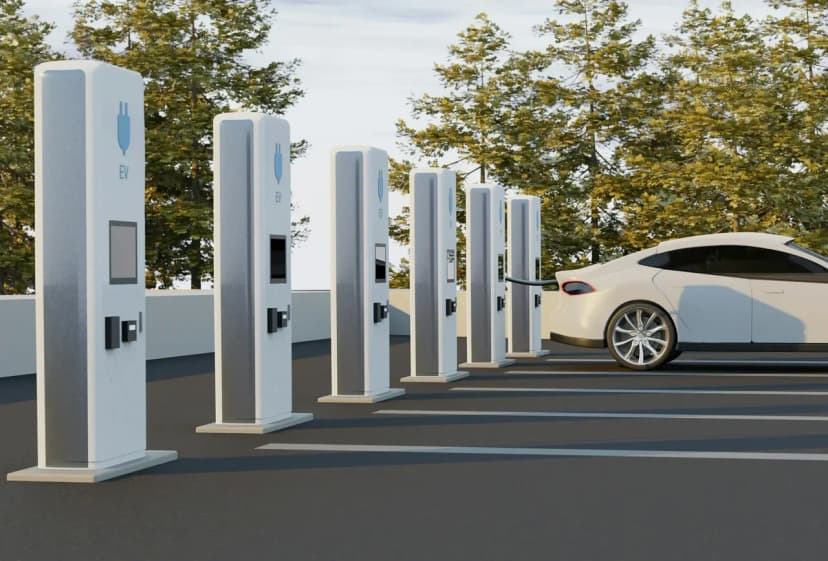
The choice between hybrid, plug-in hybrid and electric comes down to charging. A plug-in hybrid only delivers its low running costs if it is charged regularly. Without a wallbox at home you carry the battery's weight everywhere and keep nothing but the tax advantage. A fully electric vehicle depends on the public network, which in Cyprus is built to the European standard: Type 2 for AC and CCS2 for fast DC charging.
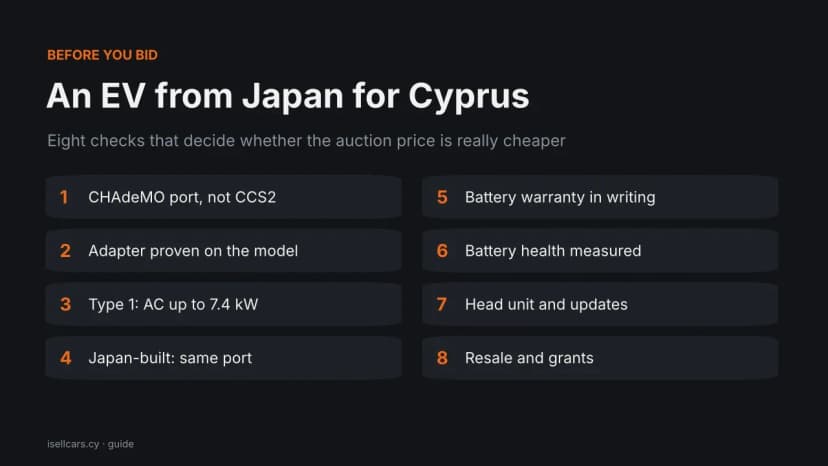
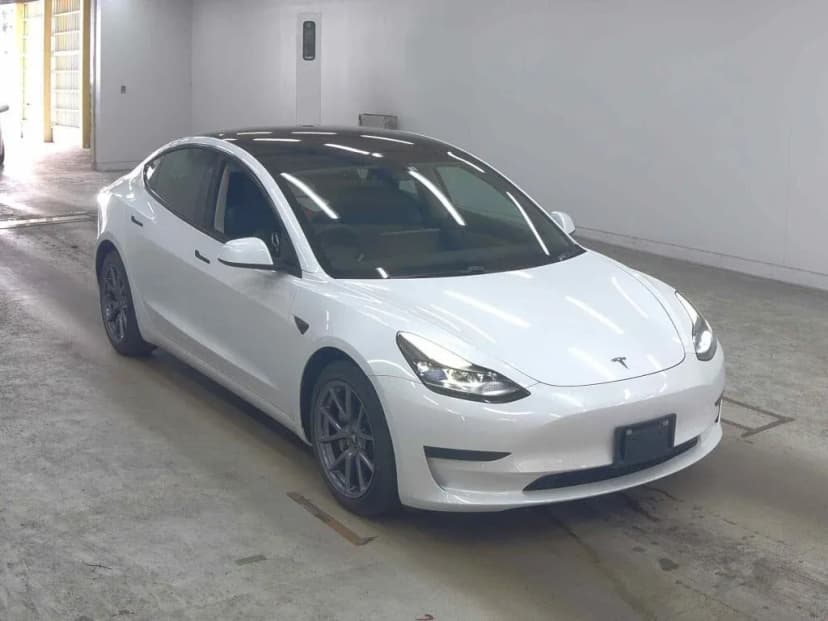
That standard matters most for imports. Teslas from Japan are often several thousand euros cheaper than European ones, with low mileage and tidy cosmetics, but some were built with a CHAdeMO fast-charging port that cannot use the CCS2 chargers going in across the island. We check the connector by VIN before buying and never assume it. The Tesla guides below cover this, along with a 15-point checklist for a used Model 3.
Resale needs thought as well. In recent data electric vehicles lost more of their value over five years than hybrids, one more reason to buy on specification and battery health rather than on price.
The state grant for electric vehicles paid up to €20,000 per vehicle across four rounds and is now closed to new applicants. The next scheme is expected in 2027. One guide sets out what the rules were and what is likely to change.
