The island combines smooth motorways, vibrant city life, scenic coastal routes and winding mountain roads, making premium SUVs the ideal choice for drivers who want comfort, performance and versatility in one package.
Whether you're commuting between Nicosia and Limassol, heading to a marina in Ayia Napa or escaping to the Troodos Mountains for the weekend, a nice SUV offers the refinement, space and capability to suit every journey.
Hybrid and plug-in hybrid models have become particularly attractive on the island, delivering lower fuel consumption without compromising performance or relying entirely on public charging infrastructure. As a result, they continue to dominate the premium SUV market in Cyprus
What Makes a Great Luxury SUV for Cyprus?
Buying a premium SUV in Cyprus involves different priorities than elsewhere in Europe.
The ideal model should offer:
- Exceptional ride comfort for long motorway journeys
- Efficient hybrid or plug-in hybrid powertrains
- Strong air conditioning performance for hot summers
- High ground clearance for mountain villages and coastal roads
- Premium interior quality for everyday luxury
- Excellent reliability and strong resale value
- Good dealer and servicing support on the island
While full electric SUVs are becoming increasingly popular, plug-in hybrids remain the most practical option for many luxury buyers thanks to their flexibility for both city driving and longer trips.
Best Luxury SUVs for Cyprus
Range Rover Sport P550e
Best Overall Luxury SUV
Few vehicles suit Cyprus better than the Range Rover Sport.
Its air suspension effortlessly absorbs rough road surfaces, while the plug-in hybrid powertrain allows many daily journeys to be completed using electric power alone. Whether you're driving along Limassol's seafront or exploring the Troodos Mountains, the Range Rover Sport feels equally at home.
Why buy it?
- Outstanding ride comfort
- Powerful plug-in hybrid drivetrain
- Genuine off-road capability
- Prestigious design and interior
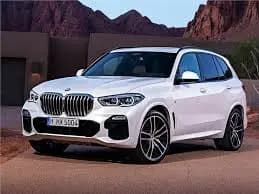
BMW X5 xDrive50e
Best Luxury Family SUV
The BMW X5 remains one of the most complete premium SUVs on the market.
Its latest plug-in hybrid system offers impressive electric driving capability while maintaining the long-distance comfort that makes it ideal for travelling across the island. Spacious seating, excellent technology and engaging handling make it an easy recommendation.
Perfect for:
Families, business owners and frequent travellers.
Porsche Cayenne E-Hybrid
Best Performance Luxury SUV
If driving enjoyment matters as much as luxury, nothing comes close to the Porsche Cayenne.
Despite its size, it delivers sports car-like handling while remaining exceptionally comfortable for everyday driving. The latest hybrid powertrain adds greater efficiency without sacrificing performance.
For many enthusiasts, it remains the benchmark premium SUV.
Mercedes-Benz GLE
Best Executive SUV
The GLE is designed for effortless long-distance comfort.
Its refined suspension, quiet cabin and advanced technology make every journey relaxing, whether you're travelling between Cyprus' major cities or heading to the airport.
The plug-in hybrid versions are especially appealing thanks to their impressive efficiency and electric-only driving capability.
Lexus RX 500h
Best Luxury Hybrid SUV
Reliability has become one of the biggest priorities for premium buyers, and few manufacturers have a stronger reputation than Lexus.
The RX combines a beautifully built interior with outstanding hybrid technology and remarkably low ownership costs for a vehicle in this segment.
It's also one of the easiest luxury SUVs to own over the long term.
BMW iX
Best Electric Luxury SUV
For buyers ready to embrace fully electric driving, the BMW iX is one of the most impressive luxury EVs available.
It offers exceptional refinement, cutting-edge technology and a spacious cabin that feels more like a luxury lounge than a traditional SUV.
If most of your driving takes place around Nicosia, Limassol or Larnaca with access to home charging, the iX makes an excellent choice.
Land Rover Defender 110
Best Adventure Luxury SUV
Not every luxury SUV is designed to leave the tarmac—but the Defender thrives beyond it.
Whether you're exploring Akamas Peninsula, mountain trails or remote beaches, it offers genuine off-road capability while maintaining premium comfort and modern technology.
It's the ideal choice for drivers who want adventure without sacrificing luxury.
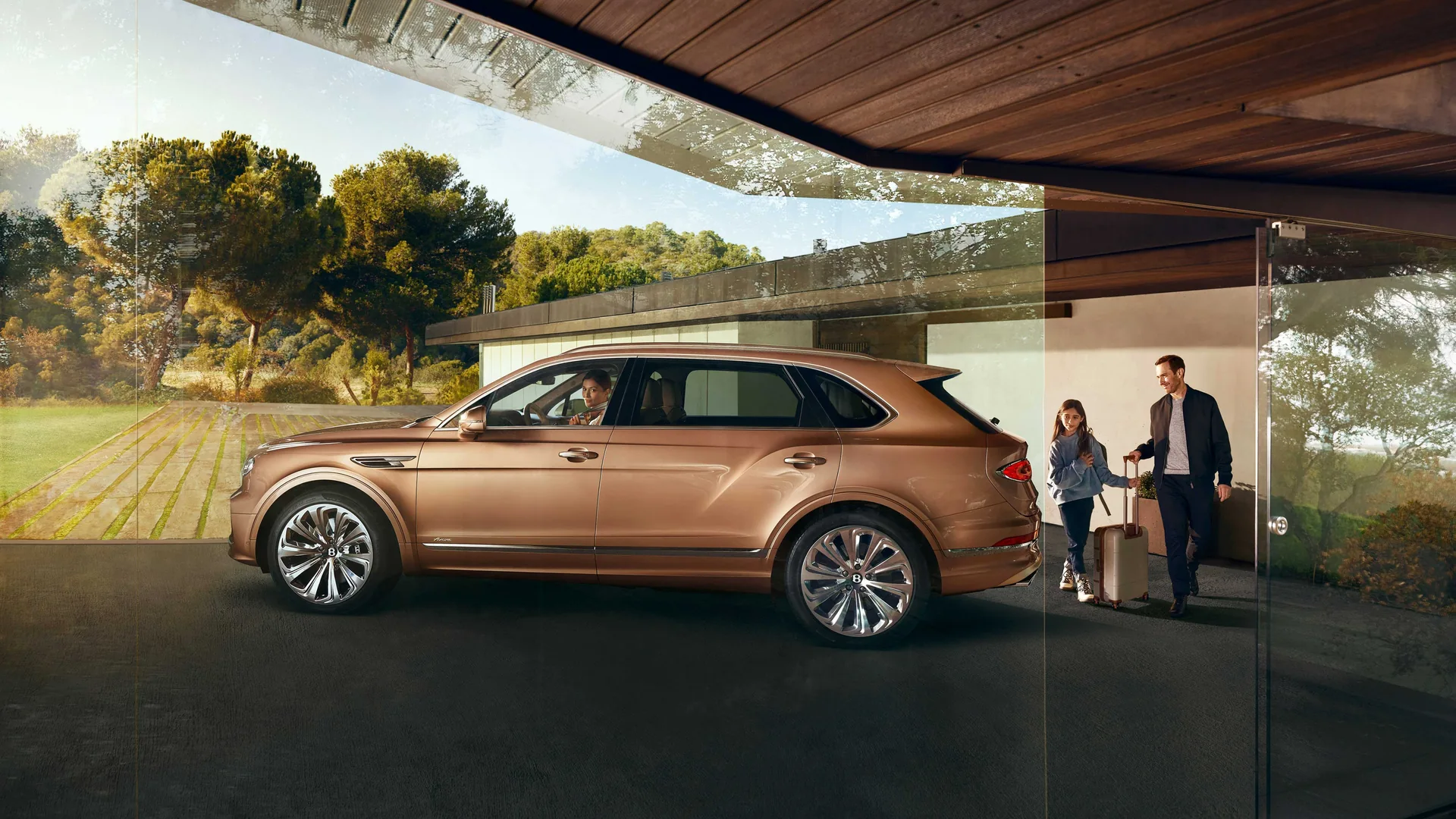
Bentley Bentayga
Best Ultra-Luxury SUV
If exclusivity matters as much as performance, few SUVs rival the Bentley Bentayga.
Its handcrafted interior, effortless power and exceptional long-distance refinement make it one of the finest grand touring SUVs available today.
For Cyprus' luxury lifestyle—from marinas to five-star resorts—it feels perfectly at home.
Hybrid, Plug-in Hybrid or Electric?
For most luxury buyers in Cyprus, a plug-in hybrid currently offers the best balance.
It allows short daily journeys to be completed using electric power while eliminating range anxiety during longer trips across the island.
Self-charging hybrids remain an excellent option for drivers without home charging, while fully electric SUVs make the most sense for those who primarily drive in urban areas and have convenient charging access.
Is All-Wheel Drive Worth It?
For many premium SUVs, all-wheel drive comes as standard—and in Cyprus, that's no bad thing.
Although most roads are well maintained, AWD provides added confidence during winter trips to the Troodos Mountains, on gravel roads leading to secluded beaches and during heavy rain.
Even if you rarely leave the tarmac, the extra traction and stability are valuable benefits in a luxury SUV.
Conclusion
Best Overall Luxury SUV: Range Rover Sport P550e
The perfect blend of luxury, hybrid efficiency, comfort and all-terrain capability for Cyprus.
Best Luxury Family SUV: BMW X5 xDrive50e
An outstanding all-rounder with exceptional comfort, space and one of the best plug-in hybrid systems available.
Best Executive SUV: Mercedes-Benz GLE
Ideal for drivers who prioritise refinement, technology and effortless long-distance cruising.
Best Performance SUV: Porsche Cayenne E-Hybrid
The benchmark luxury SUV for driving enthusiasts, offering sports car dynamics with everyday practicality.
Best Luxury Hybrid SUV: Lexus RX 500h
A superb choice for buyers seeking long-term reliability, premium comfort and outstanding efficiency.
Best Electric Luxury SUV: BMW iX
One of the most advanced electric SUVs on the market, combining cutting-edge technology with exceptional refinement.
Best Adventure Luxury SUV: Land Rover Defender 110
The ultimate luxury SUV for exploring everything Cyprus has to offer, from mountain trails to hidden coastal roads.